
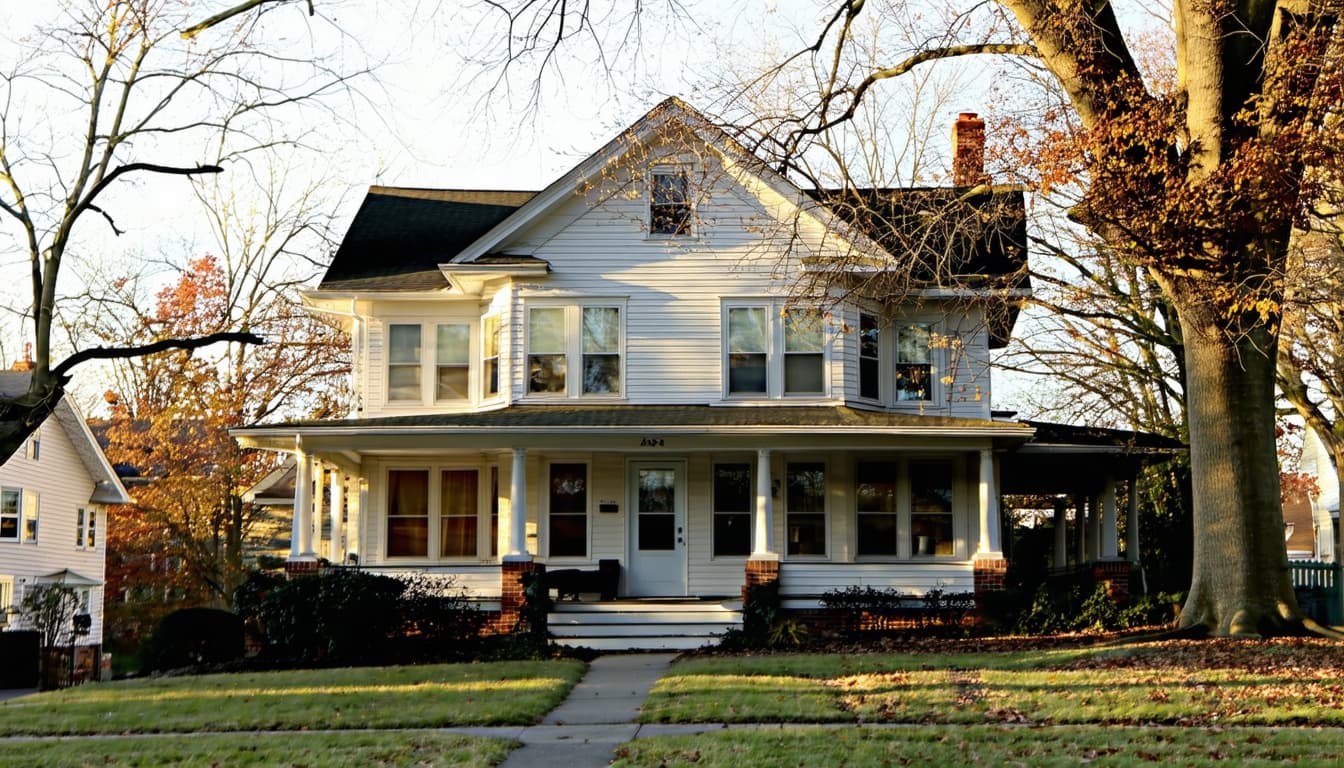
House Hacking: How Real Estate Agents Can Buy Their First Investment Property for Free
If you're a real estate agent paying rent right now, you're leaving money on the table. Your license gives you a built-in advantage most first-time investors don't have: the ability to earn commission on your own primary residence purchase.
At Foraker Realty, agents receive 95% of their commission when they buy their own home. That commission can cover—and sometimes exceed—the down payment required for an FHA loan, which is just 3.5% down if you're buying a property to live in.
The Math That Changes Everything
Here's how it works in practice:
- You find a listing priced at $200,000
- The FHA down payment requirement is 3.5%, or $7,000
- A standard buyer-side commission at 2.5% would be $5,000
- But you can offer the seller $225,000 if they'll pay a $25,000 commission (roughly 11%)
- You receive 95% of that $25,000, which is $23,750
- That's more than triple the down payment you need
You've just bought a house with the seller's money.
This isn't a gimmick or a loophole. It's a legitimate negotiation strategy that benefits everyone: the seller gets their asking price (or more), you get into homeownership, and the brokerage processes the transaction cleanly.
What House Hacking Actually Looks Like
Once you own the property, you're not done. The next step is making that house work for you.
Brian Foraker used this exact strategy early in his career. He bought a primary residence, put it on Airbnb, and rented it out for $350 to $550 per night. When guests were staying, he moved his essentials into a locked closet and slept upstairs. Later, he used the income to finish the basement, then bought another property the following year.
He wasn't the only one. Other agents at Foraker were doing the same thing—living in their homes part-time, Airbnbing them when they could, and using the cash flow to fund their next investment.
One of Brian's tenants ended up buying a house for $800,000. Another bought for $1.3 million. The rental income alone was significant, but the repeat business from those tenants added another layer of value.
The Obstacles Are Real, But Surmountable
During a recent training, Brian asked agents what stopped them from investing. The answers were predictable:
- Money to buy it
- Credit score
- Cash flow concerns
- Not knowing what makes a good investment
All valid. But none of them are permanent barriers.
If your credit score is below 640, you can still qualify for a loan—you'll just need a larger down payment. If you don't have cash flow, house hacking solves that problem by turning your living expense into an income generator. And if you don't know what makes a good deal, your license gives you access to the MLS, market data, and a network of experienced agents who've already done it.
The wealthiest people Brian knows built their wealth through real estate. Not through Bitcoin, not through high salaries, but through property. Doctors with serious money? They have serious real estate portfolios.
Why Your First House Should Be the Fastest One You Buy
Brian's advice is simple: your first house should be the fastest home you can possibly buy. You already have the tools. You already have access to inventory. You already know how to negotiate.
What you need now is urgency. Not recklessness—urgency.
One agent at Foraker tried to do this strategy with seven houses in a year. That's when Brian stepped in and capped it at two per year. The goal isn't to game the system. The goal is to build wealth methodically, starting with the house you live in.
Before you own 100 houses, you need to own one. And if you're an agent, that first one can cost you almost nothing.
FAQ: House Hacking for Real Estate Agents
Can I really negotiate a higher commission on my own home purchase?
Yes. Sellers care about their net proceeds, not the commission structure. If you offer a higher purchase price in exchange for a higher commission, and the seller nets what they wanted, it's a win-win. Your brokerage processes the commission, and you receive your split.
What if I don't have a 640 credit score?
You can still qualify for a loan with a lower score, but you'll need to put more money down—potentially 10% to 20%. That's where negotiating a larger commission becomes even more valuable.
Is Airbnb-ing my primary residence realistic if I'm actively selling real estate?
It depends on your lifestyle and flexibility. Brian and other agents did it by staying mobile—sleeping upstairs, at friends' places, or in other properties they owned. It's not for everyone, but if you're willing to be uncomfortable for a year or two, the cash flow can fund your next investment.